
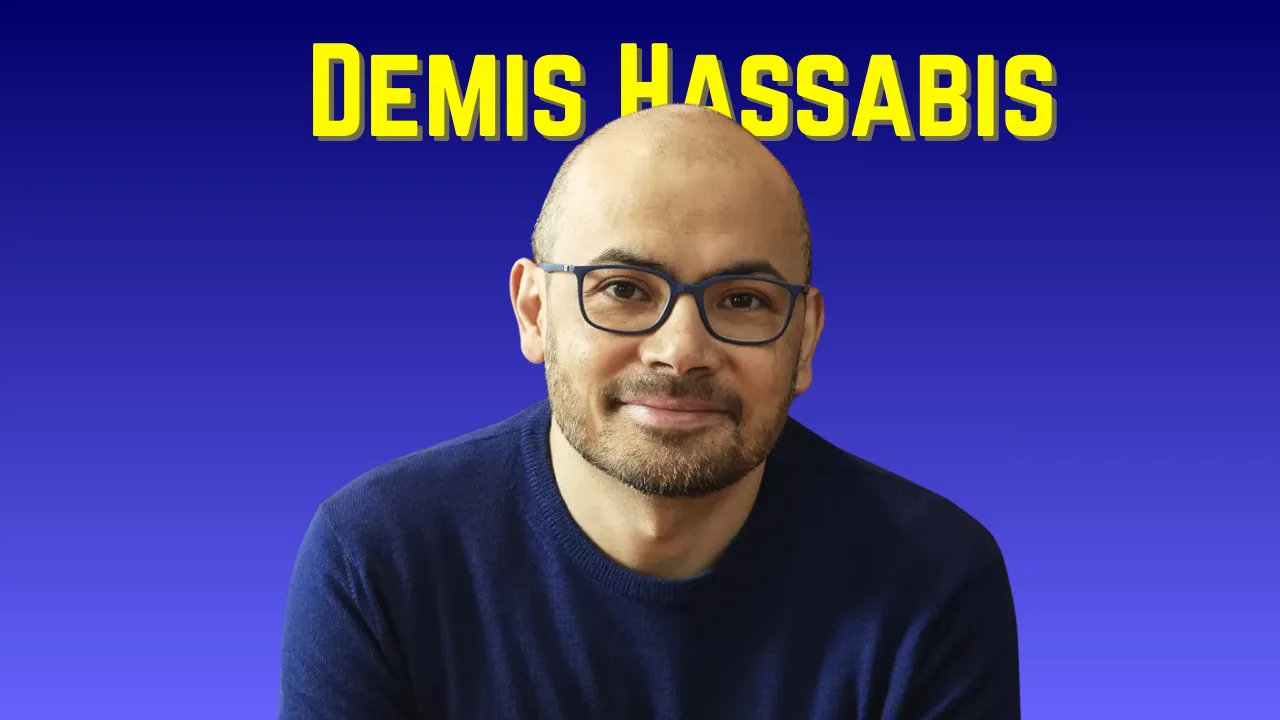
The Thinking Game – Demis Hassabis
I spent part of my weekend watching a documentary called The Thinking Game, a documentary on DeepMind co-founder Demis Hassabis. These are my rough notes turned into something a little more readable.
Artificial General Intelligence
The film opens with a clean explanation of how modern AI actually learns: do something well, get a reward signal; do it poorly, get penalized (negative reward). Simple in concept, staggering in practice and increasingly expensive. Every step up in capability comes with a significant jump in compute cost. That tradeoff sits at the center of every AI company’s strategy right now.
The Dangers of AI
The documentary doesn’t look away from the risks. Technology, at sufficient scale, becomes dual-use almost by definition. The Manhattan Project (which led to the bombings of Hiroshima and Nagasaki) was cited as context — not to be alarmist, but to make the point that transformative tools carry transformative responsibilities. The abuses of AI will be significant. This is not a reason to stop, but it’s a reason to think carefully.
Cambridge, Newton, and almost a thousand years of history
There’s a lovely section on Cambridge, with almost a thousand years of history, and the likes of Newton associated with it. Though Demis Hassabis had a $1M job offer not to go to college, he chose to study at Cambridge.
Demis Hassabis is a chess prodigy who competed at the highest levels. He also worked for a gaming company after high school. He eventually channeled that pattern-recognition obsession into AI research and co-founded DeepMind.
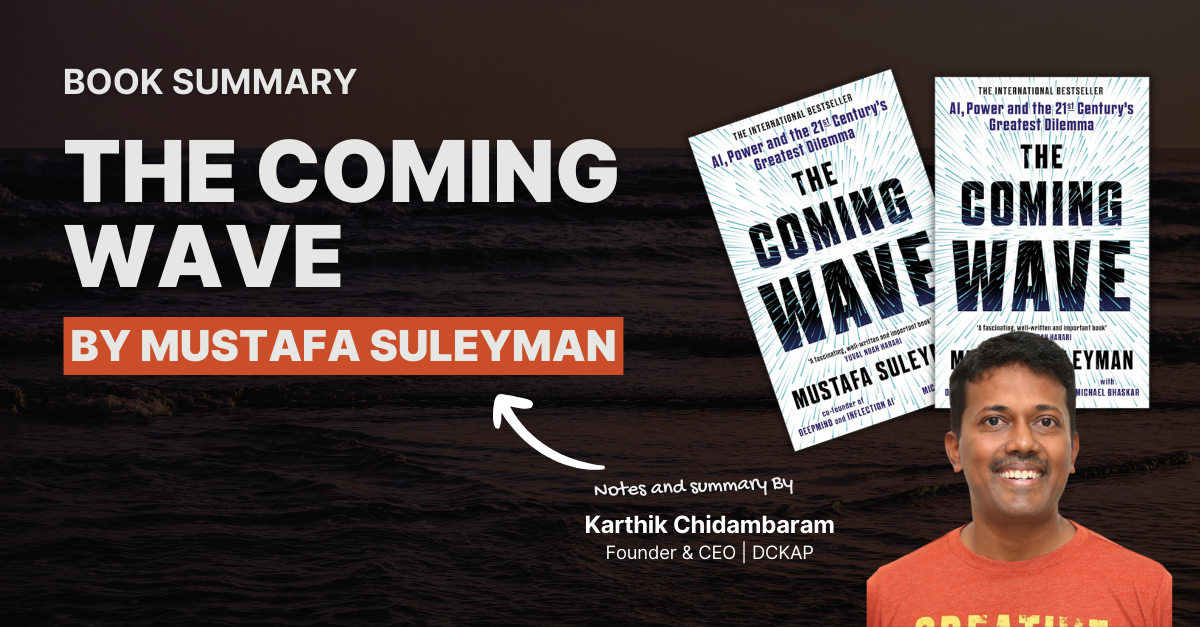
This documentary also reminded me of the book The Coming Wave by Mustafa Suleiman, which I read recently. Suleiman is another DeepMind co-founder, and the book covers a lot of the same terrain.
Move 37
Then there was the famous DeepMind Challenge Match, a five-set Go match between AlphaGo by DeepMind, and top Go player Lee Sedol. AlphaGo’s Move 37 against Sedol gets its own moment in the film, and it deserves it.
In Game 2 of the 2016 match, AlphaGo made a move that stunned everyone. The commentators thought it was a mistake, and Lee Sedol walked out of the room to collect himself. No human player would have considered making that move. But it was genius. It’s one of those moments that genuinely shifted how people understood what AI could do.
A friend of mine actually named his company after the game AlphaGo. Rick Pozniak’s company Move 78 — we recently had him on our DrivenByDCKAP podcast.
AlphaFold and the Nobel Prize
From games to biology: Demis Hassabis’s work on protein structure prediction is arguably DeepMind’s most consequential contribution. AlphaFold — predicting how proteins fold, a problem that had stumped biologists for decades — unlocks possibilities across medicine, drug discovery, and our basic understanding of life.
This is a big deal. Proteins are the building blocks of life. Every cell in our body is driven by proteins, and the shape of a protein determines what it does. Scientists had been trying to figure out how proteins fold into their shapes for over 50 years. It was one of biology’s greatest unsolved problems.
And AlphaFold solved it.
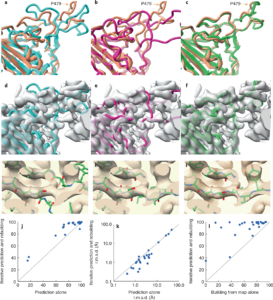
DeepMind released the structures of over 200 million proteins — essentially the entire known protein universe. It also made it freely available to scientists around the world. Researchers who used to spend years figuring out one protein structure can now do it in minutes.
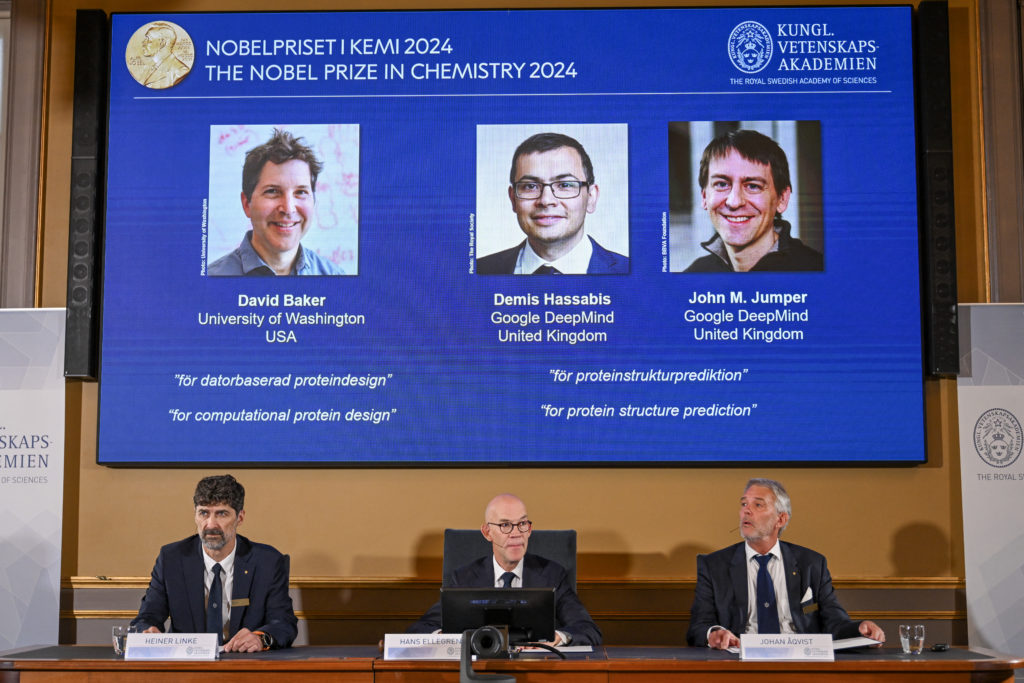
Demis Hassabis and John Jumper won the Nobel Prize in Chemistry in 2024, along with David Baker, for this work.
This also reminded me of a recent talk by my friend @/EZ Natarajan on the changes that are imminent with AI in healthcare and humans living for 125 years. After watching this documentary, I am able to relate to what he said even better.
Thank you, Demis Hassabis and DeepMind. Time well spent.
Thank you for reading.
Karthik Chidambaram



Leave a Reply